Auto Insurance News
Introduction
Auto insurance is a legal contract between a vehicle owner and an insurance provider. This agreement protects you from financial loss if you are involved in an accident or if your vehicle is stolen. People typically need this service as soon as they purchase a car or when their existing policy is up for renewal. Most states in the U.S. require a minimum level of coverage to legally operate a vehicle. If you are looking for a new policy, you can use autoinsuranceplans.com to compare quotes from insurance companies and find the best fit for your needs.
What This Service Includes
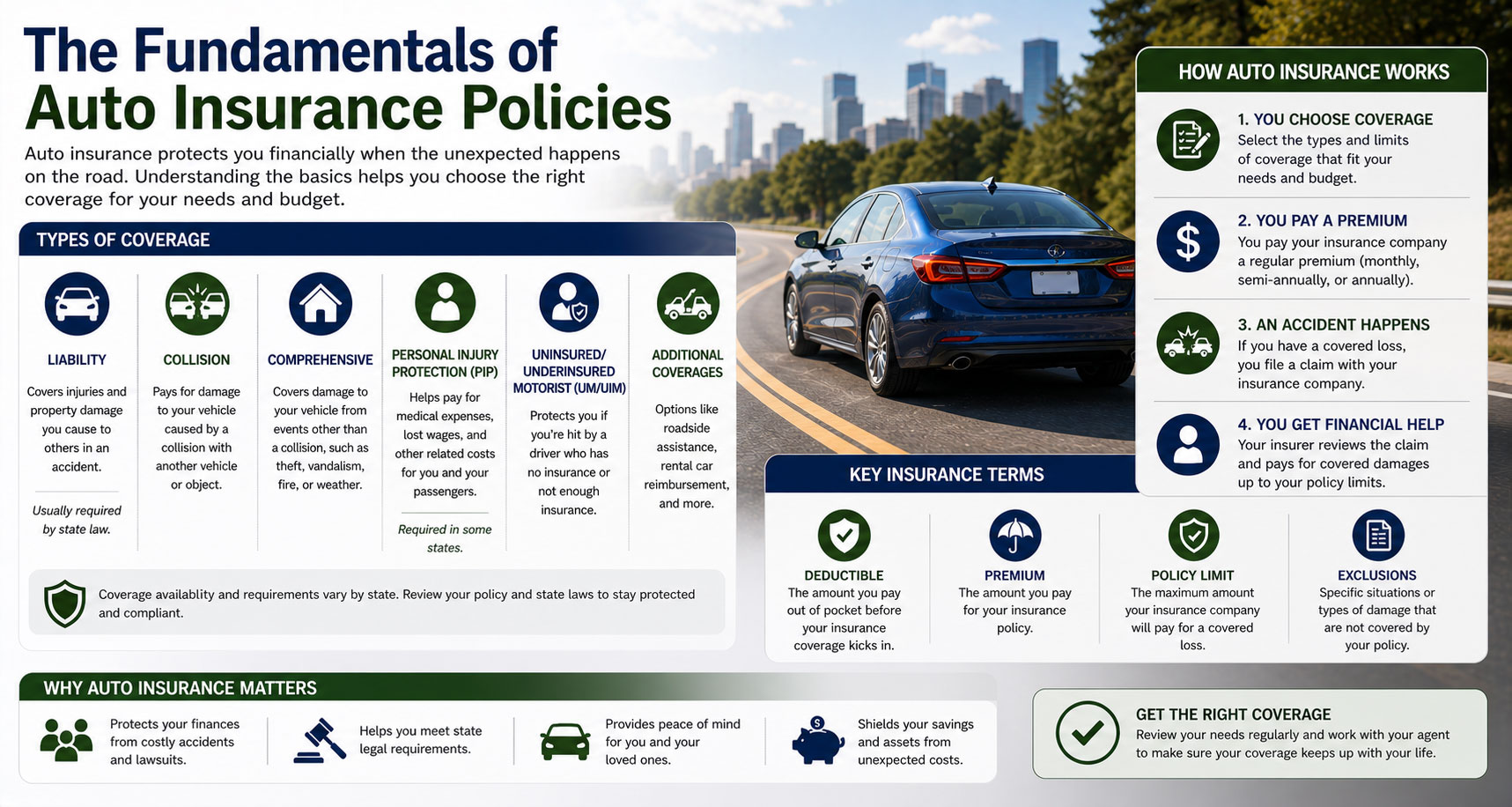
Auto insurance provides three main types of protection: property, liability, and medical. In simple terms, it pays for damage to your car, your legal responsibility to others for bodily injury or property damage, and the cost of treating injuries or lost wages.
Standard auto insurance services typically include:
- Liability coverage: This pays for injuries or damage you cause to others.
- Collision coverage: This pays for damage to your own car resulting from an accident.
- Comprehensive coverage: This protects your car against theft, vandalism, or natural disasters.
What is usually extra or not included:
- Mechanical breakdowns: Regular wear and tear or engine failure is not covered.
- Custom equipment: High end audio systems or custom wheels often require a separate rider.
- Gap insurance: This covers the difference between what you owe on a loan and the car’s actual value if it is totaled.
Average Cost Overview
The cost of auto insurance varies significantly based on the level of protection you choose and your personal risk profile. In the U.S., a basic policy might cost a few hundred dollars per year, while premium coverage for high risk drivers can exceed several thousand.
Service option | Typical annual price range Basic Liability Only | $600 to $1,100 Standard Full Coverage | $1,500 to $2,500 Premium/High Risk Coverage | $2,800 to $5,000
The low end of the range usually applies to drivers with clean records, older vehicles, and high deductibles. The high end is driven by factors such as recent accidents, expensive new vehicles, low deductibles, or living in high traffic urban areas.
Ready to move forward? Use www.autoinsuranceplans.com to compare quotes from trusted local auto insurance companies so you can secure a policy with confidence.
Key Cost Factors
Several variables determine the final price of your premium. Understanding these helps you manage your expenses more effectively.
- Deductible: This is the amount you pay out of pocket before the insurance kicks in. A higher deductible usually means a lower monthly premium.
- Amount of coverage: Higher limits for liability and extra features like roadside assistance will increase the cost.
- Window replacement: Opting for full glass coverage without a deductible can slightly raise your rate but saves money during a repair.
- At fault: If you are determined to be at fault in an accident, your rates will likely increase upon renewal.
- No fault: Some states have no fault laws where your own insurance pays for your medical bills regardless of who caused the accident.
Ways to Save Money Without Cutting Corners
You do not have to sacrifice safety to save money on your car insurance. Practical steps can keep your budget in check while maintaining high quality protection.
- Identify required versus optional coverage: If you drive an older car with low market value, you might consider dropping collision or comprehensive coverage.
- Comparing multiple quotes: Prices vary wildly between providers. Shopping around is the most effective way to find a better deal.
- Bundle policies: Many companies offer discounts if you purchase your home and auto insurance together.
- Maintain good credit: In most states, a higher credit score leads to lower insurance premiums.
Common Mistakes and Red Flags
Avoid these frequent errors to ensure you are actually protected when you need it most.
- Choosing the state minimum: Minimum limits are often too low to cover the cost of a serious accident, leaving your personal assets at risk.
- Lying on the application: Providing incorrect information about where you park or who drives the car can lead to a denied claim.
- Ignoring discounts: Many drivers miss out on savings for safety features, good student status, or low annual mileage.
Frequently Asked Questions (FAQ)
How much does basic insurance cost? Basic liability insurance typically ranges from $50 to $100 per month, depending on your state and driving history.
How long does it take to get a policy? You can usually secure a policy and receive proof of insurance within minutes when using an online platform.
Does my car’s safety rating affect the price? Yes. Cars with high safety ratings and advanced crash avoidance features often qualify for lower premiums.
Is the cheapest insurance always the best? No. Quality of service and claim processing speed are vital. Very cheap policies may have poor customer support.
What happens if I forget to pay my premium? Most companies offer a short grace period, but a lapse in coverage can lead to higher future rates and legal penalties.
Will my rates go up if I file a glass claim? Generally, small glass claims do not significantly impact your premium, especially if you have specific glass coverage.